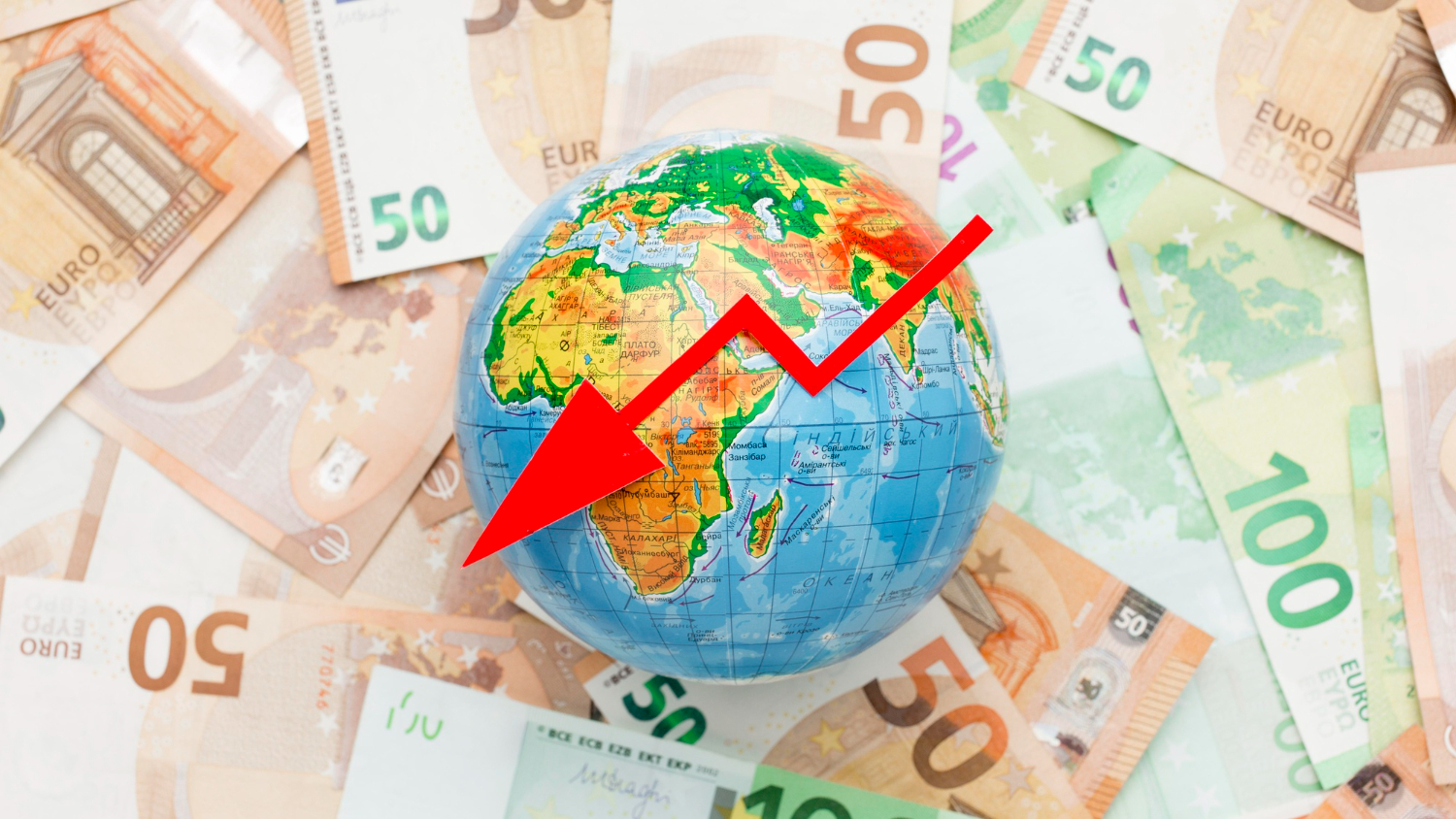
Pakistan often feels the effects of global oil market shifts relatively quickly. When crude prices rise internationally, higher fuel and transport costs can follow, while sustained increases in oil prices may also put downward pressure on the Pakistani rupee. As an energy-importing country, this relationship between crude oil prices and the currency influences grocery bills, business expenses, and household budgets.
This blog breaks down the impact of crude oil on Pakistan's economy. We will outline exactly why oil and the rupee move together, what happens behind the scenes at the State Bank, and what everyday Pakistanis can do to protect their savings when oil shocks hit.
Why Pakistan's Economy Is So Sensitive to Oil Prices
Pakistan produces only a small fraction of the crude oil it consumes domestically. In recent years, Pakistan has relied on imports to meet the majority of its petroleum needs, making global oil prices a significant factor in the country's economic stability. The rest has to be brought in from abroad, paid for in US dollars. This single fact explains most of what follows in this article.
Every barrel of crude that lands at a Pakistani port needs dollars to pay for it. When global oil prices rise, the total dollar cost of imports increases as well, even if the volume of oil purchased remains the same. Higher oil import bills increase the country's demand for US dollars. If the State Bank of Pakistan intervenes to stabilize the exchange rate, this can place additional pressure on the country's foreign exchange reserves.
The impact of crude oil on Pakistan's economy isn't just limited to transport and fuel stations; it affects the trade balance, foreign reserves, and, eventually, the value of the rupee itself.
Why Rupee Falls When Oil Prices Rise?
Here's where the mechanics get interesting. A jump in global crude prices can quickly increase demand for US dollars in Pakistan, since oil is priced and settled internationally in dollars.
Higher Import Bills Mean Higher Dollar Demand
When more dollars are needed to pay for the same imports, the rupee weakens against the dollar simply through supply and demand. More people and institutions are chasing dollars, and fewer are willing to part with them at the old exchange rate. This is essentially why the rupee falls when oil prices rise: it's a straightforward currency-market reaction to a larger import bill.
Although oil prices are an important driver, the rupee's value is also influenced by factors such as export earnings, workers' remittances, foreign investment, debt repayments, monetary policy, and overall market confidence.
Pressure on Foreign Exchange Reserves
Pakistan's foreign exchange reserves already carry the weight of debt repayments and other imports. Oil price spikes add extra strain, particularly during periods of geopolitical tension in oil-producing regions. Research by Pakistani economic institutions has consistently identified crude oil price shocks as a significant fiscal and external-sector risk because they can quickly increase import costs and place pressure on foreign exchange reserves.
A few key pressure points worth noting:
- Oil import payments compete directly with debt servicing needs for available dollars
- Reserve depletion tends to accelerate the rupee's depreciation
- Speculative buying of dollars often increases during oil price shocks, adding further pressure
Oil Imports Affecting Currency Depreciation: The Bigger Picture
The relationship between oil imports and currency depreciation isn't limited to Pakistan. Countries around the world that rely heavily on imported oil, rather than exporting it, tend to see their currencies weaken when crude prices rise. Oil-exporting nations often see the opposite effect, since higher prices mean more dollar inflows for them.
Rising oil import costs can widen Pakistan's current account deficit by increasing the value of imports relative to exports. A larger current account deficit often increases demand for foreign currency, which may put further downward pressure on the rupee.
Inflation Adds Another Layer
Currency depreciation and rising fuel costs reinforce one another. As the rupee weakens, imported fuel becomes more expensive in local currency terms. Businesses often pass these higher transport, logistics, and production costs on to consumers, contributing to broader inflation across sectors such as agriculture and manufacturing. Studies examining oil price changes in Pakistan have consistently found a measurable link between crude price movements and the general price level in the economy.
Naturally, this affects the average Pakistani far beyond the petrol pump. Transport fares, food delivery costs, and even utility bills often carry a hidden oil price component.
How Fuel Prices and the Pakistani Rupee Move Together
Fuel prices and exchange rates in Pakistan are reviewed and adjusted regularly by the government, based on international crude benchmarks and the prevailing rupee-dollar rate. During global supply disruptions, such as conflicts in major oil regions, this cycle may occur more often to keep pace with volatile international prices.
Pakistan manages the fiscal impact through measures including the petroleum levy and price stabilization policies to balance consumer relief and revenue. Authorities have also taken temporary measures, such as revised office hours and energy conservation, to curb fuel demand amid high global oil prices.
For anyone managing regular international transactions, whether for business or personal reasons, this kind of volatility makes the choice of exchange partner more consequential than it might be in calmer conditions. Rates can move quickly, and the difference between a competitive and an opaque provider adds up fast. Askari Currency Exchange (PVT) Limited offers the transparency, consistency, and market expertise that make it a strong choice for navigating exchange rate fluctuations and a reliable option for anyone looking for the best currency exchange company in Pakistan.
When rates are moving, and every rupee counts, having the right partner makes all the difference. Reach out to Askari Currency Exchange (PVT) Limited, the best currency exchange company in Pakistan, to find out how we can help you exchange smarter!
What This Means for Everyday Pakistanis
Understanding this oil-currency relationship helps explain why prices at the pump and prices at the market often move in tandem, even when nothing seems to have changed locally. It's a global chain reaction that starts with a barrel of crude thousands of miles away and ends at a local shop counter.
A few practical takeaways:
- Keep an eye on global crude benchmarks if you're planning major currency transactions
- Diversify timing of large currency exchanges rather than converting everything at once during volatile periods
- Stay informed through credible financial and economic sources rather than rumors
Final Thoughts
The bond between global crude prices and the Pakistani rupee is one of the clearest examples of how international events shape everyday local life. Every spike in oil prices abroad eventually finds its way into fuel receipts, transport costs, and grocery bills at home. Staying aware of this connection helps individuals and businesses plan better, whether that means timing currency exchanges wisely or simply understanding why prices move the way they do.
If you're looking for reliable currency exchange in Malir Cantt, Askari Currency Exchange (PVT) Limited offers a trusted, transparent option for managing your foreign currency needs during these unpredictable times!