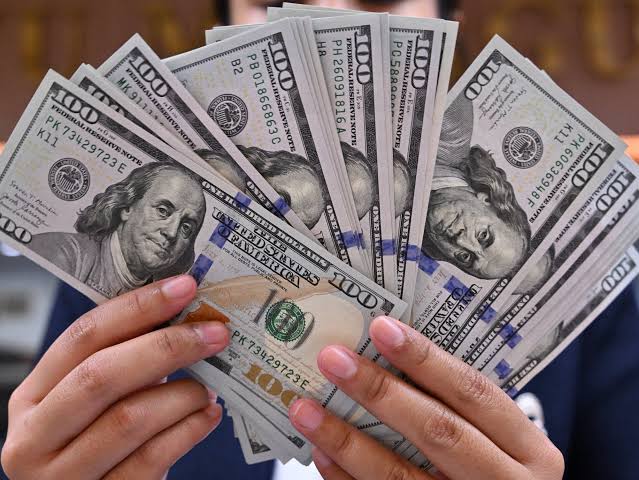
The US dollar plays a major role in influencing currency exchange in Pakistan due to its dominance in global trade, imports, and financial flows. Understanding this relationship explains exchange rates' fluctuation and impact on daily economic activity. It's not just about economics why the US dollar controls currency exchange in Pakistan, but about understanding how your money moves internationally. The relationship between these two currencies shapes everything from your daily shopping expenses to the nation's economic stability.
The Foundation of Dollar Dominance in Pakistan's Economy
The dollar's power in Pakistan's financial system didn't happen by accident; it's rooted in how our economy operates.
Understanding Currency Exchange Basics
Currency exchange is a strategic system driven by supply and demand. The US dollar's role in Pakistan's forex market involves factors that decide how many rupees equal one dollar. The State Bank of Pakistan tracks these shifts to sustain economic stability.
The USD is vital to Pakistan's economy due to its role in international trade, such as importing oil, exporting textiles, and remittances from overseas. This steady demand pushes the exchange rate upward when supply tightens.
Historical Context of Dollar Dependency
Understanding the past helps explain Pakistan's current position in the global currency market. Pakistan wanted dollars for imports that fuel our economy. Foreign direct investment typically flows in dollars, creating structural demand that persists regardless of short-term market conditions.
How the USD Affects the Pakistani Economy at the Macro and Micro Levels
The dollar's strength ripples through every layer of Pakistan's economy, from government policies to your grocery bill.
Impact on Imports and Inflation
When the dollar strengthens against the rupee, everything becomes more expensive. Imported goods and inflation-linked sectors often become less affordable over time. A weaker rupee means importers pay more to bring goods into the country, and these costs eventually trickle down to consumers like you.
This creates a challenging situation for Pakistan's central bank. They must balance allowing natural market forces to work while preventing runaway inflation that could devastate ordinary citizens. The State Bank of Pakistan often intervenes in the forex market to stabilize the rupee, but such measures require careful timing and significant foreign reserves.
Effects on Exports and Employment
Not all dollar strength is bad; it can actually create opportunities for Pakistani businesses. When the dollar is strong, Pakistani goods become cheaper for foreign buyers, boosting export volumes. This creates employment in manufacturing sectors and generates valuable foreign currency. However, the benefit depends on production costs, imported inputs, and overall competitiveness of the export sector.
Remittances and Foreign Investment
For millions of Pakistani families, the dollar exchange rate determines how much money they receive from loved ones abroad. Remittances are one of Pakistan’s largest sources of foreign exchange inflows. When converted at unfavorable rates, families receive less money. The role of the US dollar in Pakistan's forex market becomes apparent to families who depend on these transfers.
Why the US Dollar Controls Currency Exchange in Pakistan
The answer lies in a simple economic truth: Pakistan has a higher demand for US dollars because international trade, imports, and external debt obligations are mostly denominated in USD, while the Pakistani rupee is not widely used in global markets.
Supply and Demand Dynamics
The fundamental reason why the US dollar controls currency exchange in Pakistan boils down to basic economics. Pakistan needs dollars far more than the world needs rupees. We import essential goods and need dollars for international investments, causing a demand imbalance that pushes the dollar higher.
Supply of dollars comes from exports, remittances, and foreign investment. When these sources dry up, the rupee faces severe depreciation.
Reserve Management and Central Bank Policy
The State Bank of Pakistan's foreign exchange reserves are vital for influencing exchange rates and acting as a shock absorber during economic turbulence. When the rupee faces pressure, the SBP can release dollars to stabilize it. However, excessive intervention depletes reserves, requiring careful balancing.
International Monetary Systems and IMF Agreements
Global agreements influence Pakistan's currency management. The International Monetary Fund typically encourages greater exchange rate flexibility, fiscal discipline, and foreign reserve rebuilding as part of stabilization programs. This lessens government intervention but increases rupee volatility under external pressures.
The Forex Market Structure in Pakistan
Where does currency actually change hands, and how do rates get determined?
How Transactions Occur
Currency exchange in Pakistan is conducted through authorized dealers, banks, and licensed money exchange operators. When you need dollars for travel or business, you visit these institutions where rates fluctuate based on real-time market conditions. Each transaction contributes to the broader supply-demand equation that determines the rupee's value.
For larger transactions and corporate needs, businesses work directly with banks in the interbank forex market. Here, rates adjust constantly as institutions trade currencies with each other, always anchored by the availability of dollars and demand for rupees.
If you require professional currency exchange services, a trusted currency exchange company in Pakistan, like Askari Currency Exchange (PVT) Limited, provides reliable solutions for your international transaction needs, offering transparent rates and secure processes that meet regulatory standards.
Regulatory Framework and Controls
The State Bank of Pakistan doesn't sit idle; it actively manages the flow of currency through the economy. It implements measures ranging from restricting cash dollar transactions to monitoring illegal forex channels. Recent initiatives have focused on channeling currency trades through authorized banking channels, increasing transparency and regulatory oversight.
Challenges and Future Outlook
Pakistan faces real obstacles in managing its relationship with the dollar, but there are paths forward.
External Shocks and Vulnerability
Pakistan's economy remains vulnerable to external shocks. When international investors lose confidence, foreign capital flows reverse, suddenly reducing dollar supply. Similarly, global oil price shocks affect Pakistan's import bill, changing how many dollars we need to spend on essential fuels.
Structural Economic Issues
At the heart of Pakistan's dollar dependency is an economic imbalance that requires long-term solutions. Pakistan's import bill often exceeds export earnings. This trade deficit requires financing through external borrowing, foreign investment, or remittances. Until Pakistan develops stronger domestic production, dollar dependency will persist.
Moving Forward with Market-Based Solutions
Real change requires structural economic reforms, not quick fixes. The International Monetary Fund encourages Pakistan to strengthen its economy through structural reforms. Building competitive industries, improving infrastructure, and reducing corruption can gradually reduce dollar dependency. However, these changes require years of consistent effort.
Practical Implications for Ordinary Pakistanis
These economic forces aren't abstract; they directly affect your financial life. Understanding these dynamics helps with currency exchanges and international deals. Recognizing why the dollar dominates provides context for the rates you encounter. The best time to exchange currencies often depends on broader economic trends, typically during periods of stability rather than crisis.
Why This Matters to You
Currency fluctuations aren't just headlines; they're part of your daily reality. The control of currency exchange by the US dollar directly affects your purchasing power and financial planning. When you purchase groceries, pay for education, or support family members abroad, you're experiencing the real-world consequences of the US dollar's dominance in Pakistan's currency exchange.
Final Thoughts
The dominance of the US dollar in Pakistan's currency exchange system reflects deeper economic realities. Pakistan's significant import needs and limited dollar generation create persistent demand. The State Bank of Pakistan continuously works to manage these pressures while maintaining stability. For individuals and businesses navigating this complex environment, working with reliable financial institutions becomes essential.
If you need currency exchange services for business or personal purposes, platforms offering money exchange in Pakistan provide transparency and fair rates. Askari Currency Exchange (PVT) Limited stands out as a trusted partner for secure currency conversions. As Pakistan's economy evolves, the relationship with the US dollar will likely remain significant for years to come.