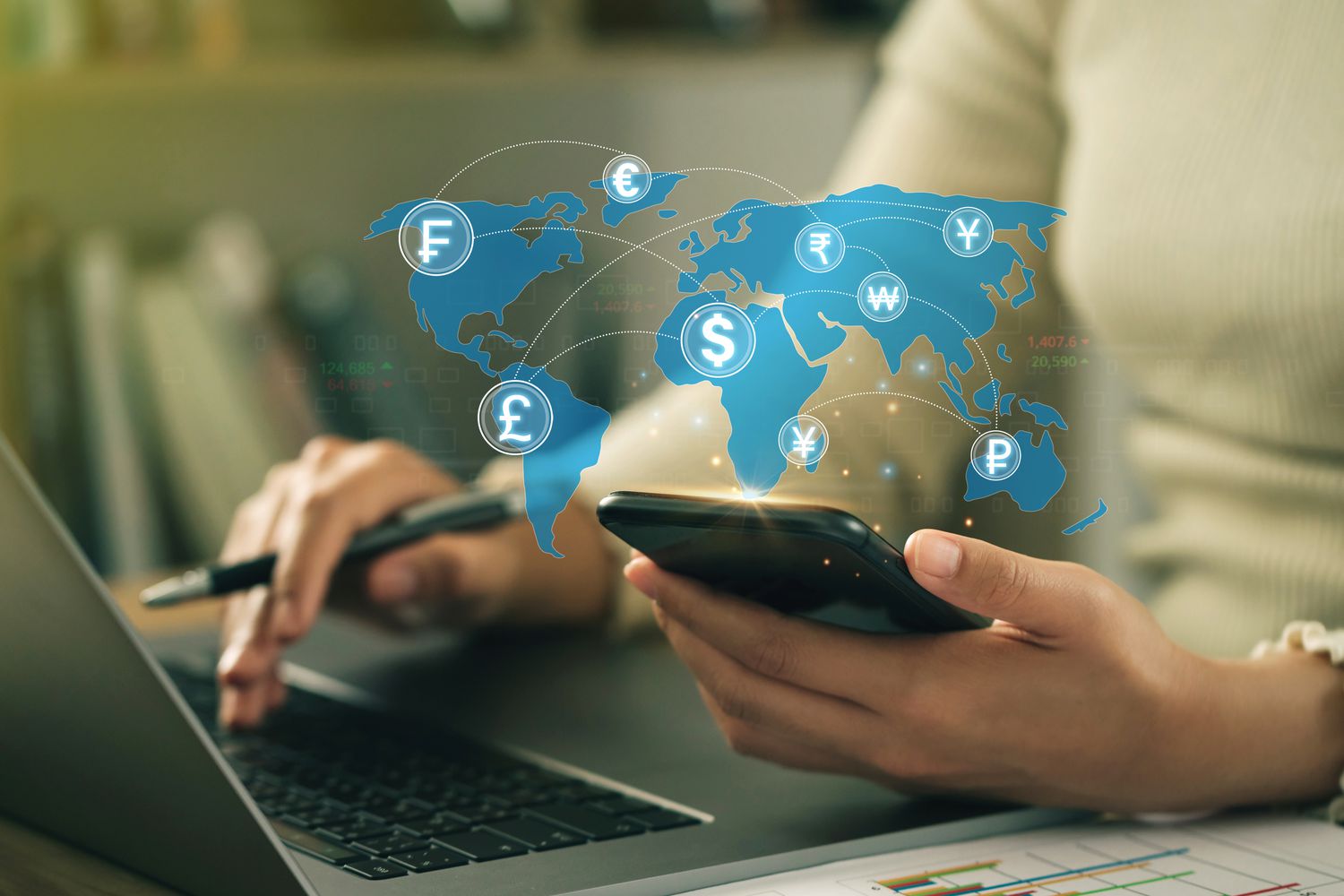
Pakistan's currency exchange landscape is undergoing a significant transformation, and honestly, it's one of the most exciting developments in the country's financial sector right now. The Pakistani rupee has been on quite a journey, fluctuating in response to economic policies, international trade dynamics, and global market pressures. If you're someone who deals with international transactions, whether you're sending money home to family or conducting business abroad, understanding the future of currency exchange is more important than ever.
The State Bank of Pakistan has adopted a market-driven exchange-rate system, stabilizing the rupee through reforms and oversight. This shift increases reliance on market signals and regulation, providing Pakistanis and businesses with clearer exchange rates and improved access to international markets.
How Technology is Changing Currency Exchange
Technology isn't just knocking on the door of Pakistan's currency exchange sector; it's already breaking through the walls. The digital revolution is reshaping everything about how we exchange money, and the impacts are profound. How technology is changing currency exchange is really the question on everyone's mind these days.
The Rise of Digital Payment Platforms
Gone are the days when you had to visit a physical location to exchange currency. Digital platforms are making online money exchange faster, more transparent, and significantly more convenient. These platforms leverage real-time exchange rates, reducing the information gap that once existed between traditional money changers and their customers.
Pakistan's fintech and digital payments are rapidly expanding, offering remittance and currency exchange services. Mobile apps enable users to lock exchange rates, compare providers, and transact remotely. This democratization grants small businesses and individuals access to tools once exclusive to large firms.
Blockchain and Cryptocurrency Considerations
While traditional currency exchange remains the backbone of Pakistan's financial system, emerging technologies like blockchain are creating alternative pathways for value transfer. Pakistan has recently begun exploring regulatory frameworks for virtual assets and blockchain-based financial systems, although the sector remains tightly regulated and legally evolving.
These technologies promise lower transaction fees, faster settlement times, and enhanced security. However, they also come with their own set of challenges, particularly regarding regulatory compliance and consumer protection, issues that Pakistan's financial authorities are actively addressing.
Future Trends of Currency Exchange in Pakistan
The future trends of currency exchange in Pakistan point toward a more integrated, technology-driven, and transparent financial ecosystem. Several key trends are shaping this evolution, and understanding them can help you navigate the changing landscape more effectively.
Increased Digitalization and Real-Time Processing
Banks and authorized currency exchange providers are investing heavily in digital infrastructure. Digital banking infrastructure and modern payment systems are helping reduce transaction and settlement times for many types of remittance and foreign exchange transactions. This acceleration benefits everyone, from remittance senders to importers and exporters who need quick access to foreign currency.
The Roshan Digital Account initiative has already demonstrated Pakistan's commitment to digital financial inclusion, attracting billions in inflows from overseas Pakistanis. This trend is expected to accelerate as more financial institutions embrace digital-first approaches.
Enhanced Regulatory Framework
Pakistan's regulatory authorities are strengthening compliance measures and transparency requirements in the currency exchange sector. These developments aren't bureaucratic hurdles; they're actually beneficial for consumers. Regulators argue that stronger compliance measures can improve transparency and consumer protection.
The State Bank of Pakistan continues to refine policies that encourage legitimate currency trading while maintaining financial stability and preventing illicit capital flows.
Greater Consumer Access and Awareness
As technology becomes more prevalent, more Pakistanis are gaining access to currency exchange services. This expanding market is driving increased competition, which may help improve rates and customer service over time. Educational initiatives are also helping people understand exchange rates, hedging strategies, and the factors that influence currency movements.
The Role of Remittances in Shaping Currency Exchange
Remittances are a crucial part of Pakistan's economy and are directly tied to currency exchange dynamics. Millions of Pakistani expatriates regularly send money home, making the efficiency and transparency of currency exchange services vital to their financial well-being.
Traditional banking channels are now competing with specialized remittance platforms, all of which rely on robust currency exchange mechanisms. The pressure to offer competitive rates and low fees is pushing the entire sector toward greater efficiency. When you are relying on remittances to support your family back home, even a few percentage points saved on exchange rates makes a tangible difference.
Money Exchange in Karachi and Beyond
In Pakistan, financial hubs like Karachi are seeing growth in currency exchange. Karachi, the economic center, hosts many licensed exchanges competing for better rates and services. If you're looking for a reliable money exchange in Karachi, consider established providers like Askari Currency Exchange (PVT) Limited, which ensures you're working with a trustworthy, regulated institution that understands local needs while maintaining international standards.
Challenges and Opportunities Ahead
Currency exchange in Pakistan is evolving rapidly as global market conditions, technology, and customer expectations continue to change. While volatility in exchange rates, geopolitical uncertainty, and domestic economic pressures create ongoing challenges, they also open the door for innovation, better transparency, and improved financial services.
The following are key challenges in the current currency exchange environment.
- Frequent fluctuations in global and local exchange rates create unpredictable transaction costs
- Geopolitical tensions impact currency stability and investor confidence
- Strict regulatory compliance increases operational complexity for institutions
- Limited financial literacy leads to poor decision-making by customers
- Informal or unlicensed exchange channels increase risk of fraud
- Lack of transparency in some markets affects trust and pricing clarity
- Economic instability can reduce currency availability and liquidity
Currency exchange also presents significant opportunities for growth, especially as digital transformation and financial awareness continue to expand. Continue reading to explore key opportunities shaping the future of currency exchange.
- Growing use of digital platforms improves the speed and convenience of transactions
- Increased competition encourages better exchange rates and services
- Financial technology enhances transparency and reduces manual errors
- Rising financial literacy helps customers make smarter currency decisions
- Demand for secure and regulated services strengthens trusted institutions
- Innovation in payment systems reduces transaction costs
- Access to real-time market data improves decision-making for users
Bottom Line
The future of currency exchange in Pakistan is undeniably exciting and full of potential. A sector shift from opaque methods to transparent, tech-driven systems benefits business owners, expatriates, and those tracking financial trends. Regulatory reform, tech advances, and competition improve exchange rates and services for Pakistanis. Stay informed and choose reputable providers.
For those seeking professional and reliable currency exchange services, Askari Currency Exchange (PVT) Limited stands as a trusted currency exchange company in Pakistan that embodies these forward-thinking principles, combining traditional expertise with modern financial solutions to serve Pakistan's evolving needs.