


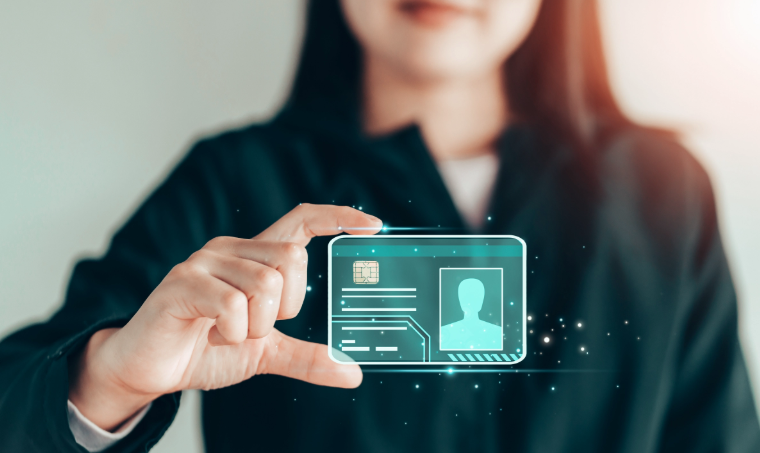
When you walk into a money exchange company to convert your currency, you'll typically encounter a fundamental requirement: providing identification. This isn't just bureaucratic red tape or a random security measure. There's a substantial reason why ID verification in money exchange has become a standard practice across the financial industry worldwide.
Identity verification is vital in preventing financial crimes. Money exchange services handle large cash volumes daily, attracting illicit activity. Requiring ID creates a documented trail linking individuals to transactions, aiding regulatory compliance and helping authorities detect suspicious patterns like money laundering or terrorist financing.
The Regulatory Framework Behind ID Requirements
The requirement for ID checks in money exchange services doesn't exist in a vacuum. It's rooted in stringent international regulations and local financial laws designed to maintain the integrity of the global financial system. Most countries, including those in South Asia, have implemented Know Your Customer (KYC) requirements that mandate that financial institutions and money exchange operators verify their clients' identities.
Know Your Customer (KYC) Requirements
KYC protocols represent the cornerstone of modern financial regulation. These requirements ensure that money exchange operators understand who their clients are and what they're doing with their money. When you provide your identification at a money exchange, the service is fulfilling its legal obligations under KYC regulations. In many jurisdictions, KYC verification is legally required for regulated money exchange transactions.
The information collected during KYC verification includes your full name, date of birth, and address, along with additional details depending on the transaction amount. The exchange service may screen customer information against sanctions and compliance watch lists.
Anti-Money Laundering (AML) Compliance
Working hand in hand with KYC is Anti-Money Laundering compliance. AML regulations are specifically designed to prevent criminals from using financial systems to legitimize illegal earnings. Money exchange services are considered gatekeepers in the financial system, responsible for preventing the flow of dirty money.
ID checks enable money exchange operators to maintain detailed records of all transactions, amounts, and individuals involved. These records are then reported to financial intelligence units when transactions meet certain thresholds or exhibit suspicious patterns. Without proper identification, this crucial oversight mechanism would crumble.
Why Money Exchange Services Need Your Personal Information
Beyond regulatory compliance, there's a practical need to collect identification information. Money exchange services operate in an environment where fraud and impersonation are real concerns. When you provide identification, you're essentially signing your name to a transaction, creating accountability for both yourself and the exchange service.
Preventing Fraud and Identity Theft
Identity theft has become increasingly sophisticated, with criminals attempting to exploit money-exchange services for their own benefit. By requiring proper identification, these services can verify that you are who you claim to be. This prevents criminals from using false identities to move stolen money or conduct fraudulent transactions under someone else's name.
The verification process acts as a barrier, making it substantially more difficult for fraudsters to operate. When someone attempts to exchange currency using fake or forged documents, trained staff at legitimate exchange services can identify these discrepancies and refuse the transaction.
Building a Secure Transaction History
Your identification helps create transaction records that may be retained for legally required periods. While this might seem intrusive, it actually works in your favor. If there's ever a dispute regarding a transaction, having your identification on file provides proof that you conducted the exchange. This protects you from false claims and provides recourse if something goes wrong.
The Global Commitment to Financial Security
Money exchange services operate within a globally interconnected financial system. When you exchange currency in your local area, that transaction might be part of an international network. International banking standards require uniform identification protocols to maintain the integrity of cross-border transactions.
The Financial Action Task Force (FATF), an intergovernmental group combating money laundering and terrorism financing, has guidelines that many countries follow. Non-compliance could lead to restrictions on international transactions.
When dealing with a currency exchange company in Pakistan, you'll find that the most reputable operators strictly adhere to these international standards. For secure and compliant money exchange services, consider Askari Currency Exchange (PVT) Limited. We uphold strict verification and compliance to protect your interests and ensure transaction integrity.
What Happens Without Proper ID Verification
Imagine if money exchange services didn't require identification. The consequences would be catastrophic. Without documented transactions, authorities couldn't track suspicious money flows. Criminals would have unrestricted access to financial systems, making it incredibly easy to launder illegal earnings. Terrorists could finance operations without detection, and financial fraud would skyrocket with minimal accountability.
The absence of ID verification would essentially render the entire financial oversight system ineffective. Banks, governments, and financial intelligence agencies depend on the information collected through ID checks to maintain financial security. When you comply with ID requirements at money exchange services, you're participating in a system that protects not just financial institutions, but society as a whole.
Your Rights and Privacy Protections
While ID checks are essential, legitimate money exchange services have obligations to protect your personal information. The data you provide should be stored securely and used only for legitimate regulatory purposes. Reputable exchange services maintain strict privacy policies and comply with data protection regulations.
You have the right to understand why your identification is being requested and how your information will be used. Legitimate money exchange services will transparently explain their verification processes and provide clear information about data handling. If an exchange service seems evasive about their ID requirements or data practices, that's a red flag worth investigating.
Making Sense of Money Exchange Regulations
Money exchange regulations are evolving as regulators update rules to counter emerging threats and technology changes. What is standard today might change with new financial crimes. For residents in Pakistan, understanding local money exchange rules is crucial. Pakistani authorities ensure money exchange services operate with integrity, and choosing established providers guarantees compliance and security.
For reliable money exchange in Pakistan that prioritize your safety and regulatory compliance, Askari Currency Exchange (PVT) Limited offers comprehensive services backed by stringent verification protocols and professional expertise.
Final Thoughts
ID checks in money exchange services aren't bureaucratic obstacles; they're fundamental safeguards protecting you, your money, and the entire financial system. These requirements stem from decades of financial regulation designed to combat money laundering, terrorist financing, and fraud.
By understanding why ID is required for currency exchange, you can approach money exchange services with confidence, knowing that proper verification processes are working to keep everyone safe. When you participate in this verification process, you're contributing to a more secure financial environment for yourself and everyone in your community.
