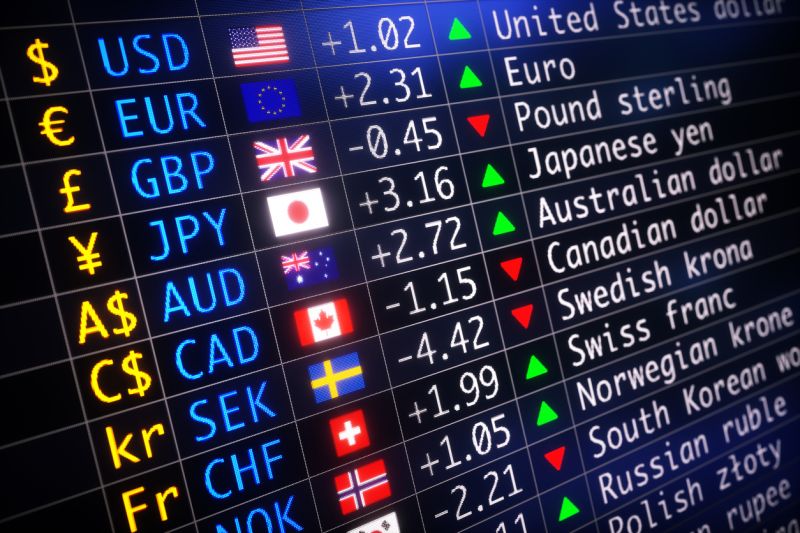
Running a small business is already a demanding job. You manage inventory, handle customers, pay staff, and keep the books in order. But there is one factor many small business owners overlook until it is too late: exchange rates. If your business imports goods, pays overseas suppliers, or receives payments in foreign currency, then exchange rates for small businesses are not just a finance topic. They directly affect your costs, your profits, and your ability to plan ahead.
This blog explains why monitoring exchange rates matters, what risks you face if you ignore them, and the practical steps you can take to safeguard your business.
What Are Exchange Rates and Why Do They Move?
An exchange rate is simply the value of one currency compared to another. For a Pakistani business buying goods priced in US dollars or euros, the exchange rate determines exactly how much that purchase costs in Pakistani rupees.
Exchange rates do not stay fixed. They move constantly based on factors like inflation, interest rates, trade balances, political stability, and global market sentiment. A rate that works in your favor today may shift significantly within a week. For small businesses with tight margins, even a small movement can make a noticeable difference to the bottom line.
The Business Impact of Exchange Rates on Daily Operations
The impact of the exchange rate shows up in several practical ways that affect small businesses every day.
Import Costs Go Up Unexpectedly
If your business imports raw materials or finished goods, you are paying in foreign currency. When the rupee weakens against the dollar or euro, your import costs rise even if the supplier has not changed their price. This squeezes your margins and forces difficult pricing decisions.
Profit Margins Get Eroded
You may have quoted a price to a customer based on today's exchange rate. If the rate shifts before you complete the transaction, your actual cost may be higher than expected. This directly reduces your profit on that deal, sometimes turning a profitable order into a loss.
Cash Flow Becomes Unpredictable
Small businesses depend on predictable cash flow to pay suppliers, cover salaries, and meet operating expenses. When exchange rates fluctuate, payments received or made in foreign currency can vary in value, making it harder to forecast and plan.
Pricing Becomes Difficult
Choosing an effective price point for your offerings becomes complicated when costs keep shifting. If you raise prices too often to cover exchange rate movements, you risk losing customers. If you absorb the cost, your margins suffer.
Competitive Position Changes
Exchange rate movements do not just affect your costs. They affect your competitors, too. A business that monitors rates and locks in favorable rates will have a pricing advantage over one that does not. Staying informed helps you stay competitive.
Currency Exchange Risk for SMEs: Why It Hits Harder
Large corporations have dedicated finance teams and sophisticated tools to manage currency exposure. Small businesses do not always have those resources, which is why currency exchange risk tends to hit harder and faster for SMEs.
A small importer in Karachi or Lahore working on slim margins has very little room to absorb sudden currency losses. A 3–5% change in the rupee against the dollar can wipe out the profit on an entire shipment. Without any monitoring or planning, these losses come as a surprise, and by the time the business owner reacts, the damage is already done.
The good news is that awareness itself is a powerful first step. You do not need complex financial instruments to start managing currency risk. You just need to pay attention.
Askari Currency Exchange (PVT) Limited is a trusted currency exchange company in Pakistan with over 50 branches nationwide. We offer transparent, competitive rates backed by full SBP compliance. Visit your nearest branch to handle your business foreign currency needs with confidence.
Foreign Exchange Management for Small Businesses: Practical Steps
Foreign exchange management does not have to be complicated. Here are clear, actionable steps any small business owner can take.
Step 1: Check Rates Regularly
Make it a habit to check exchange rates at least a few times a week. Many licensed exchange companies and financial platforms display live rates. This simple practice helps you spot trends and avoid transacting on poor days.
Step 2: Time Your Transactions Wisely
If you have flexibility on when to make a payment or convert currency, use it. Rates move in cycles, and paying attention to the trend helps you choose better moments to transact.
Step 3: Work With a Reliable, Licensed Exchange Provider
Using a registered and regulated exchange company gives you access to accurate rates, proper documentation, and professional guidance. Unlicensed dealers may offer slightly different rates but carry serious risks, including fraud, hidden charges, and no legal recourse if something goes wrong.
Step 4: Build a Currency Buffer into Your Pricing
When quoting prices to customers for imported goods, factor in a small buffer to account for potential exchange rate movements. This protects your margin without requiring you to reprice constantly.
Step 5: Keep Records of All Transactions
Track every foreign currency transaction with receipts and records. This helps you understand your actual costs over time and identify patterns in how exchange rate shifts affect your business.
Why Ignoring Exchange Rates is a Costly Mistake
Many small business owners treat exchange rates as something only banks and large importers need to worry about. This mindset is costly. Even businesses that only occasionally deal in foreign currency can face serious financial setbacks from a single unfavorable rate movement on a large transaction.
The reality is that exchange rate monitoring is a basic part of good financial management. It is not about predicting markets or making complex investments. It is about understanding your costs, protecting your margins, and making informed decisions.
Here is a quick look at what small businesses risk when they ignore exchange rates:
- Unexpected cost increases on imported goods that were not budgeted for
- Reduced profit margins on deals quoted before a rate shift
- Cash flow gaps caused by fluctuating values of incoming or outgoing payments
- Missed savings from not timing transactions at more favorable rates
- Loss of competitiveness against businesses that actively manage their currency exposure
Final Thoughts
Exchange rates are not only important to multinational companies. They affect small businesses whenever a foreign-currency payment is made or received. The effect on margins, cash flow, and competitiveness is real and significant. Developing good habits around monitoring rates, timing transactions, and working with licensed exchange providers can make a meaningful difference to your bottom line.
Small businesses that take currency management seriously put themselves in a stronger position to grow, plan, and compete. The cost of paying attention is zero. The cost of ignoring it can be far greater.
If your business is based in the capital, Askari Currency Exchange (PVT) Limited offers reliable, fully compliant currency exchange services in G11, Islamabad. Our team is ready to help your business get accurate rates, fast processing, and professional service for all your foreign currency needs.